Implements search by keyword (title/subtitle), tag filtering, and sort by newest/popular on explore blogs page. Adds GetExploreTopTags to show popular tags with usage counts. Enforces repository access permissions using AccessibleRepositoryCondition. Fixes secret lookup to skip scope conditions when querying by ID. Updates UI with tag cloud, search box, and sort dropdown.
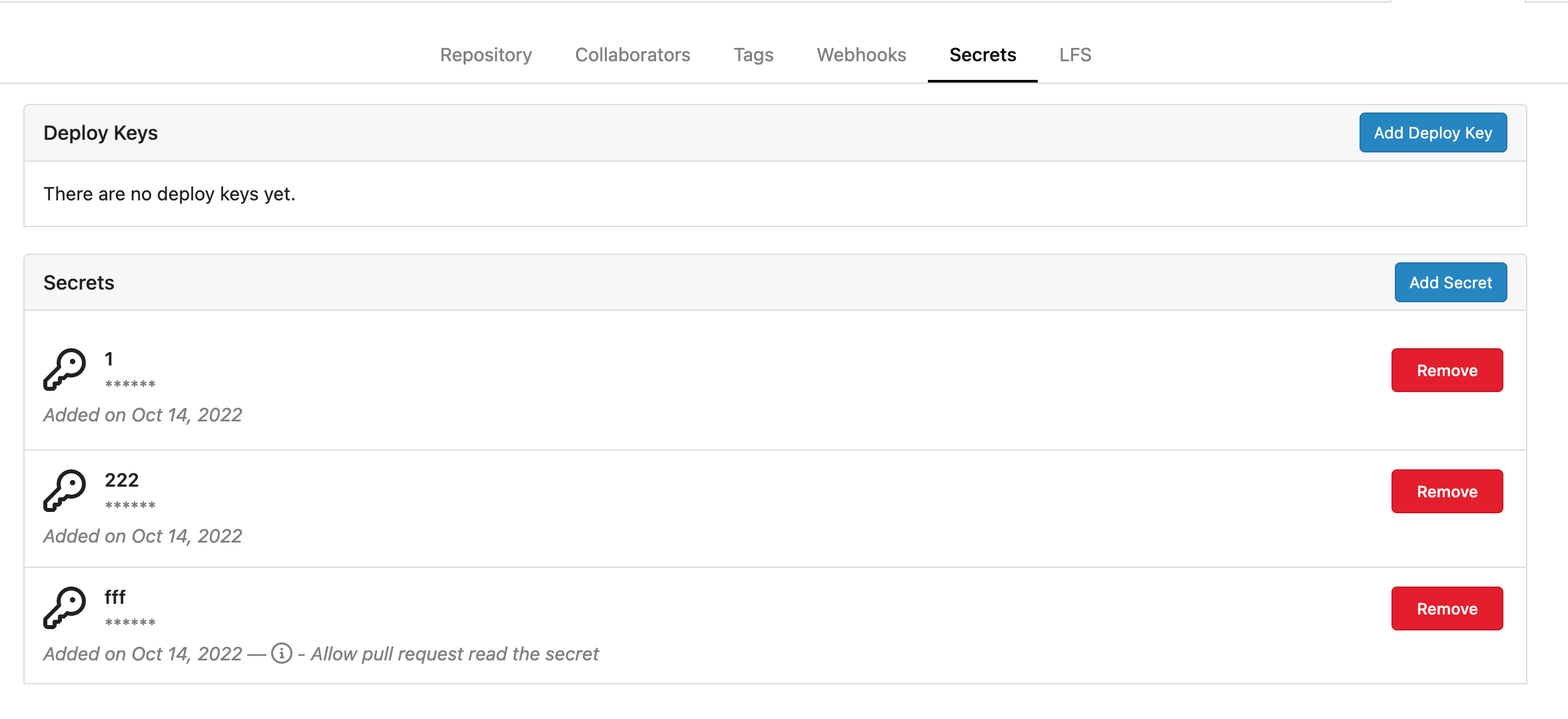
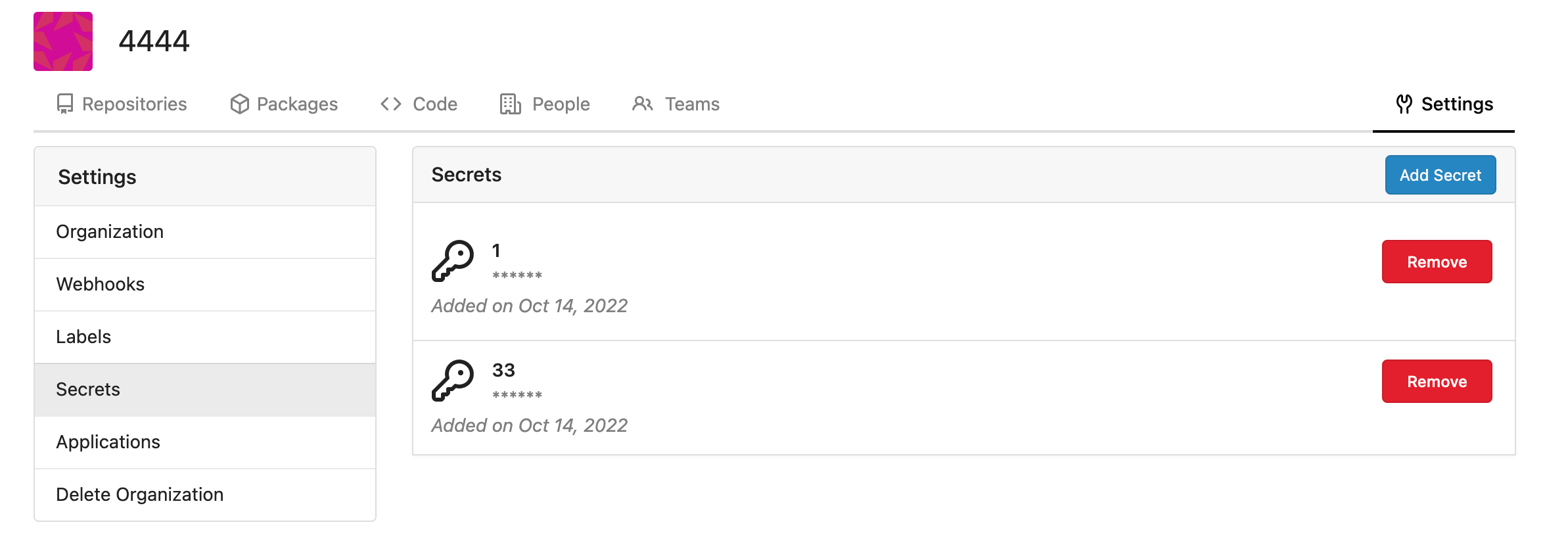
Adds ability to promote secrets from repository to organization scope, or from repository/organization to global scope. Includes conflict detection to prevent duplicate names at target scope, permission checks (org owner for repo→org, system admin for →global), and UI buttons with confirmation dialogs. Implements MoveSecret model method and PerformSecretsPromote handler.
Enables updating secret descriptions without changing the value by making the data field optional during updates. Displays global secrets as read-only in org/user/repo secret pages for visibility. Adds validation to require data only when creating new secrets. Updates locale strings for the new functionality.
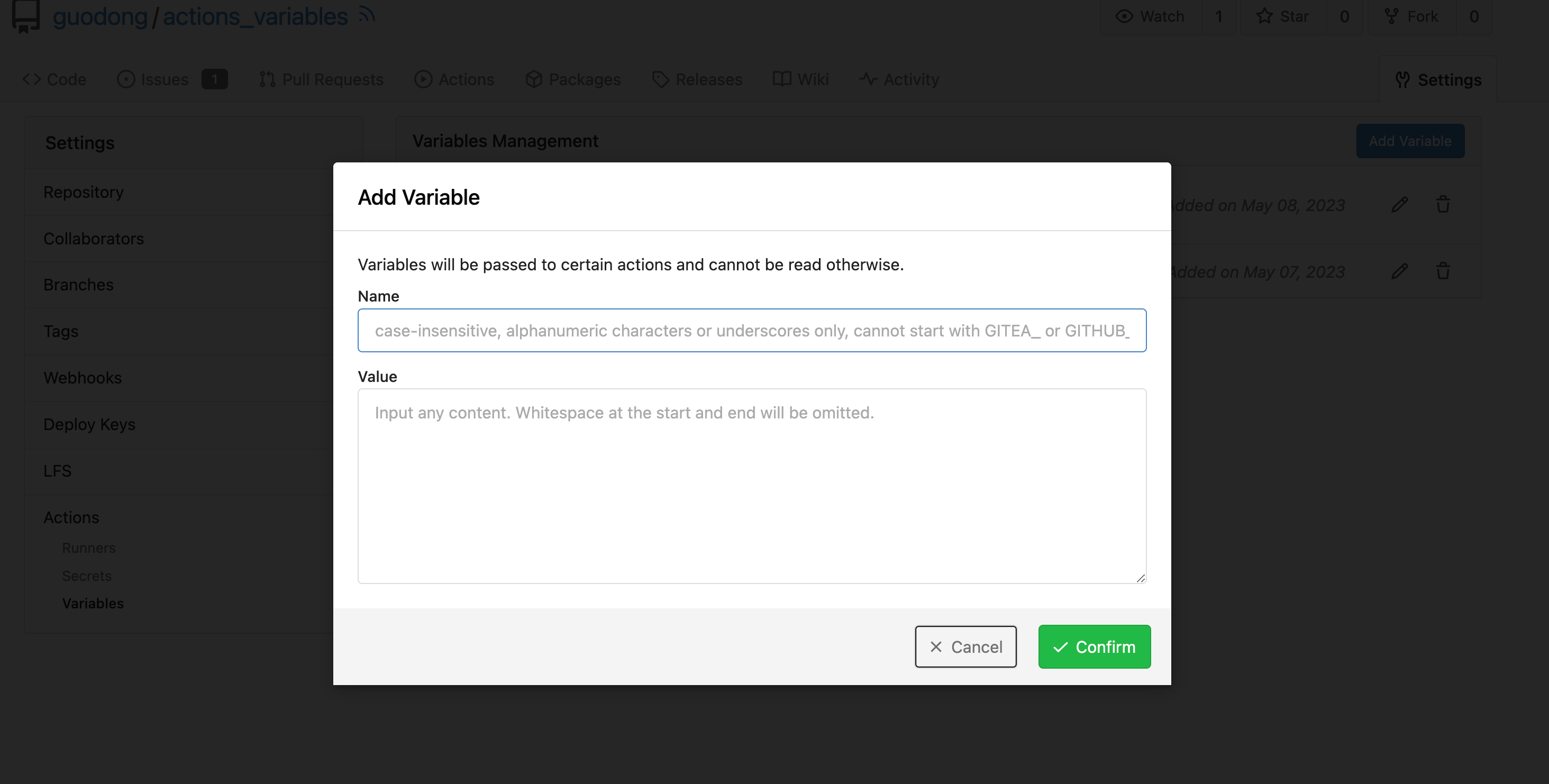
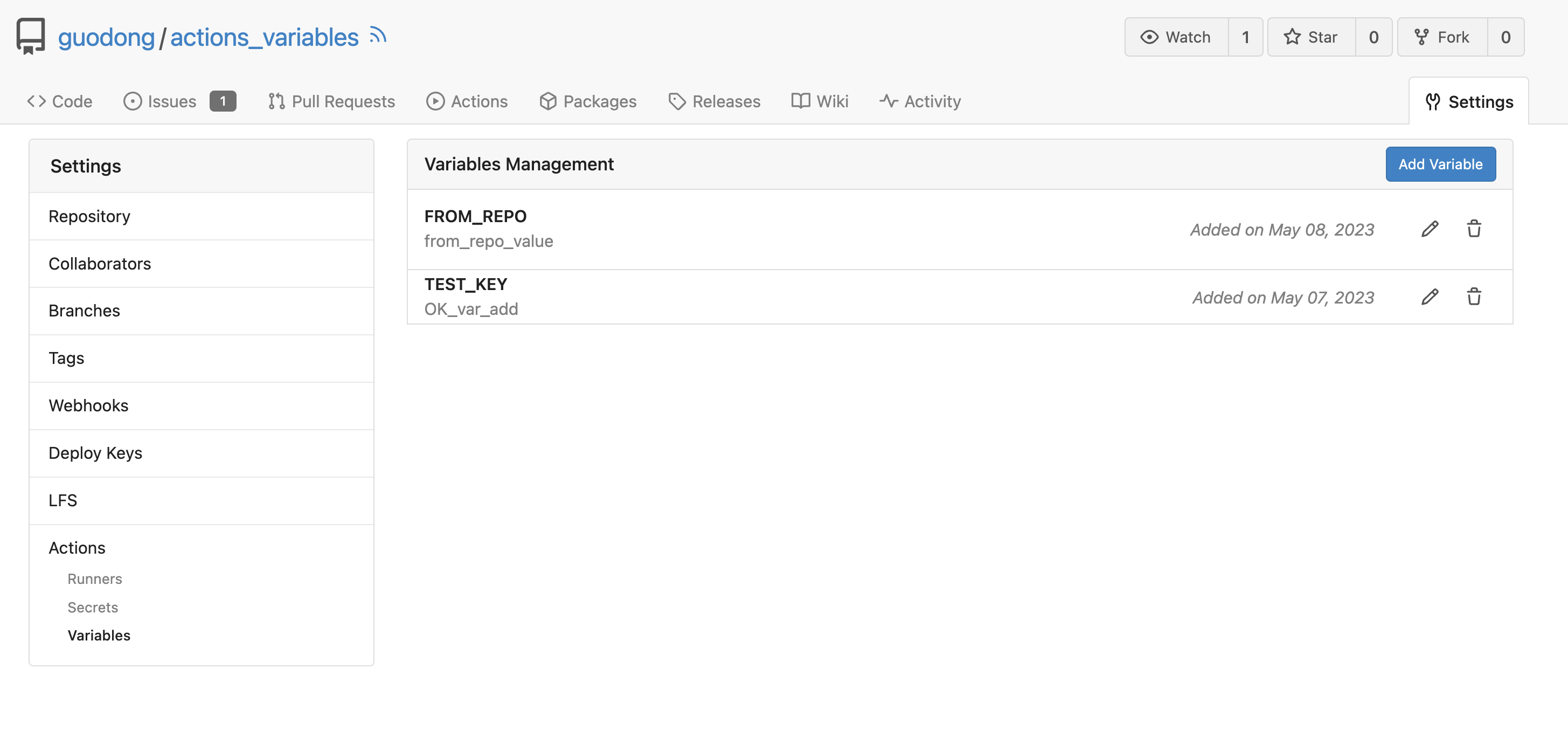
Implements system-wide global secrets (OwnerID=0, RepoID=0) that can only be managed by admins. Global secrets are available to all workflows with lowest precedence (repo > org > global). Adds admin UI routes and templates for managing global secrets. Updates secret model to support three-tier hierarchy and proper precedence ordering.
Go's semantic import versioning requires v2+ modules to include the
major version in the module path. This enables using proper version
tags (v3.x.x) instead of pseudo-versions.

Updated module path: code.gitcaddy.com/server/v3
Fix#31707.
Also related to #31715.
Some Actions resources could has different types of ownership. It could
be:
- global: all repos and orgs/users can use it.
- org/user level: only the org/user can use it.
- repo level: only the repo can use it.
There are two ways to distinguish org/user level from repo level:
1. `{owner_id: 1, repo_id: 2}` for repo level, and `{owner_id: 1,
repo_id: 0}` for org level.
2. `{owner_id: 0, repo_id: 2}` for repo level, and `{owner_id: 1,
repo_id: 0}` for org level.
The first way seems more reasonable, but it may not be true. The point
is that although a resource, like a runner, belongs to a repo (it can be
used by the repo), the runner doesn't belong to the repo's org (other
repos in the same org cannot use the runner). So, the second method
makes more sense.
And the first way is not user-friendly to query, we must set the repo id
to zero to avoid wrong results.
So, #31715 should be right. And the most simple way to fix#31707 is
just:
```diff
- shared.GetRegistrationToken(ctx, ctx.Repo.Repository.OwnerID, ctx.Repo.Repository.ID)
+ shared.GetRegistrationToken(ctx, 0, ctx.Repo.Repository.ID)
```
However, it is quite intuitive to set both owner id and repo id since
the repo belongs to the owner. So I prefer to be compatible with it. If
we get both owner id and repo id not zero when creating or finding, it's
very clear that the caller want one with repo level, but set owner id
accidentally. So it's OK to accept it but fix the owner id to zero.
- Add a new function `CountOrgSecrets` in the file
`models/secret/secret.go`
- Add a new file `modules/structs/secret.go`
- Add a new function `ListActionsSecrets` in the file
`routers/api/v1/api.go`
- Add a new file `routers/api/v1/org/action.go`
- Add a new function `listActionsSecrets` in the file
`routers/api/v1/org/action.go`

go-sdk: https://gitea.com/gitea/go-sdk/pulls/629

---------

Signed-off-by: Bo-Yi Wu <appleboy.tw@gmail.com>
Co-authored-by: Lunny Xiao <xiaolunwen@gmail.com>
Co-authored-by: techknowlogick <matti@mdranta.net>
Co-authored-by: Giteabot <teabot@gitea.io>